
Message from Founders
A letter from the people behind TKG
A letter from the people behind TKG
To anyone reading this —
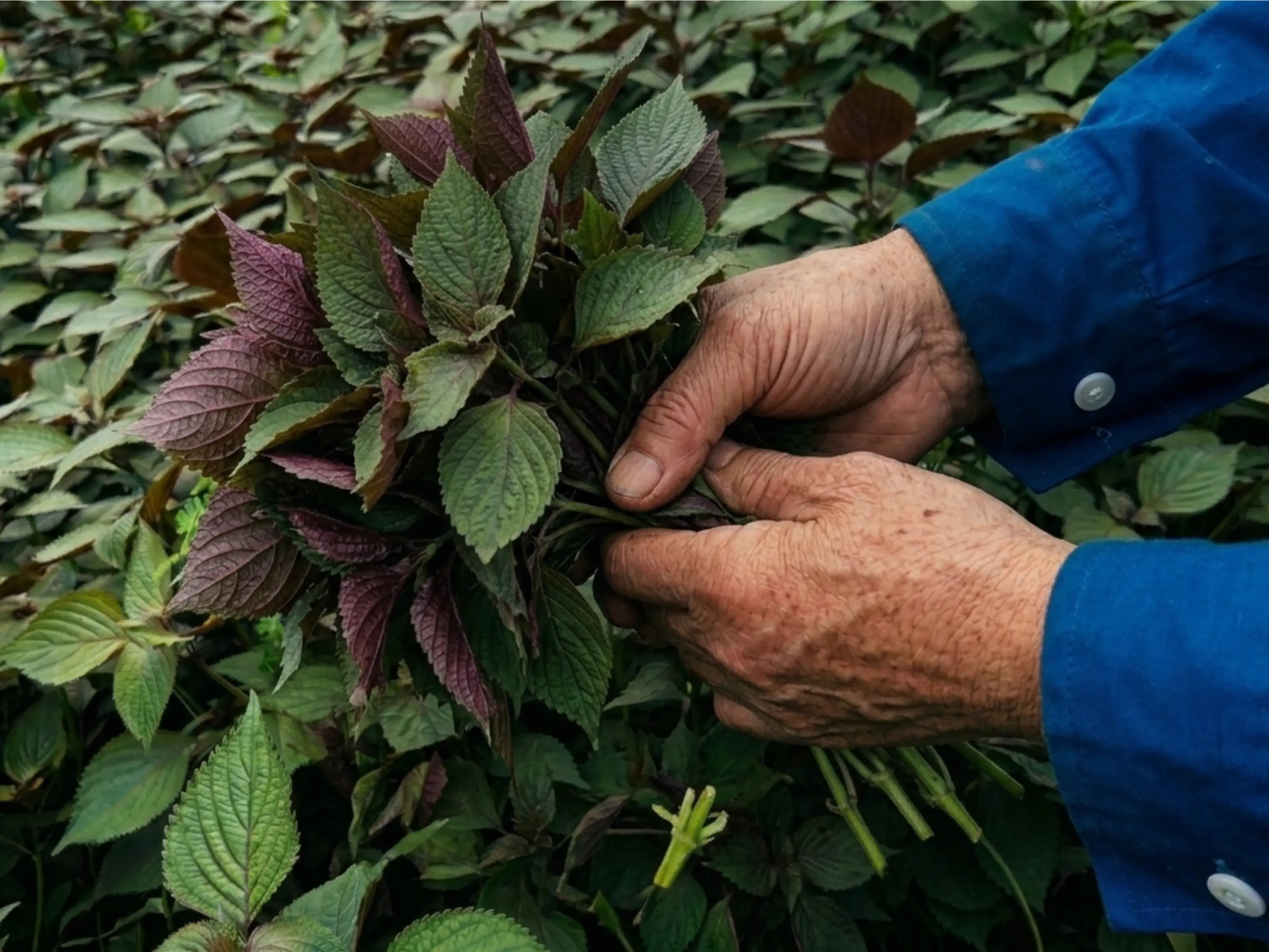
A Familiar Thing, Seen Again We grew up with these ingredients long before we ever thought about building a company. Ginger, lemongrass, perilla, and kumquat were never presented to us as products or wellness solutions. They were simply part of everyday life. They appeared in kitchens, at family tables, and in small acts of care that rarely needed explanation. They were prepared because someone felt cold, because guests had arrived, or because that was simply how things had always been done.
For many years, we took that familiarity for granted. Only later did we begin to notice something unusual. The ingredients themselves remained visible everywhere, but the knowledge surrounding their preparation seemed increasingly difficult to see. How ingredients were selected, how they were combined, how they responded to heat, water, and time — these parts of the practice were rarely discussed. The ingredients remained familiar, yet the preparation behind them was becoming less visible.
TKG began as an attempt to pay closer attention.
Not to reinvent Vietnamese botanicals. Not to modernize them. Not to transform them into something they were never meant to be. Instead, we wanted to understand them more carefully, prepare them more deliberately, and present them more transparently.
Not to reinvent Vietnamese herbs, but to prepare and present them with greater care, structure, and transparency — in a way that could travel beyond familiarity without losing where they came from.
Everything else followed from that decision. The Naula discipline. The formulations. The writing. The ongoing effort to document and share what we continue to learn.
Thank you for taking the time to read our work.
Vietnamese botanicals have never been difficult to find. Ginger, lemongrass, perilla, kumquat, and countless other ingredients remain familiar across households, markets, restaurants, and everyday life. The ingredients themselves were never the problem. What became increasingly difficult to see was the preparation behind them — the accumulated knowledge that shaped how they were selected, combined, heated, steeped, and preserved.
Over time, we noticed that conversations about botanicals often focused on ingredients, benefits, or finished products, while the preparation itself received very little attention. Yet preparation is where much of an ingredient's character is formed. Heat changes aroma. Time changes flavor. Water changes extraction. Small decisions, repeated consistently, shape the final result as much as the ingredient itself.
For us, the gap was never the absence of botanicals. It was the absence of attention given to how those botanicals were prepared. The ingredient remained visible. The preparation became invisible.
That observation became the starting point for TKG. If preparation plays such an important role in shaping the final experience, then it deserves the same care, documentation, and transparency we already give to the ingredients themselves. Understanding botanicals means understanding not only what they are, but also what happens to them throughout the process of preparation.
Naula preparation · Product of Vietnam
Naula is the preparation discipline applied across every TKG formulation.
Rooted in Vietnamese botanical practice, it is a structured approach to preparing and preserving botanicals while maintaining clarity of ingredient identity and origin.
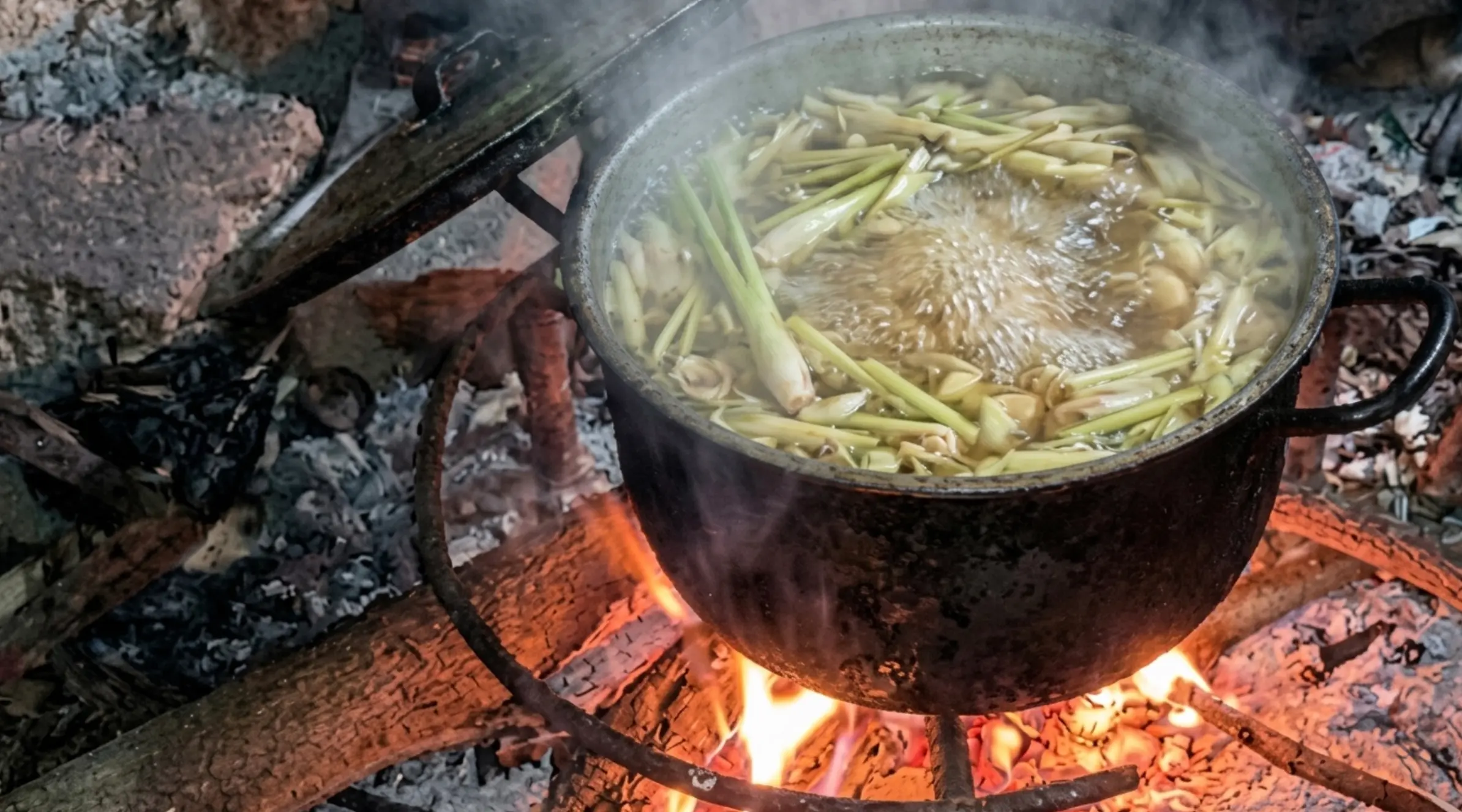
Ginger root behaves differently from lemongrass. Perilla leaf responds differently from clove. Heat, water ratio, and preparation time affect each ingredient in different ways. A process that works for one botanical may compromise another.
Rather than applying a single industrial method to every ingredient, Naula treats each botanical individually.
Preparation decisions are made ingredient by ingredient.
"We are not trying to control nature completely. We are trying to interfere with it less and preserve what was already there."
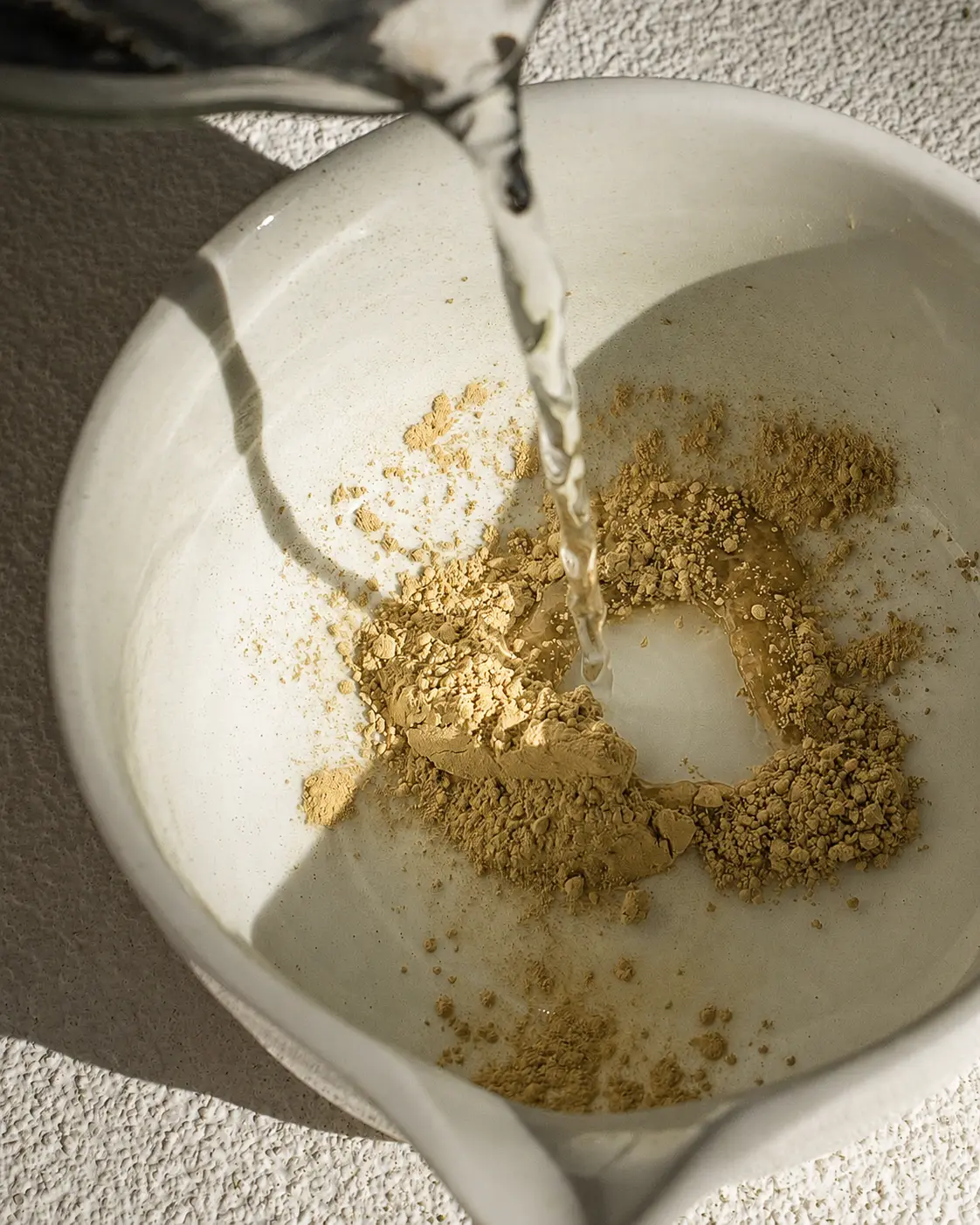
Once preparation is complete, the botanicals are preserved through freeze-drying.
By removing moisture under deep cold and vacuum rather than high heat, freeze-drying helps retain characteristics that are often diminished during conventional processing. Aroma. Color. Texture. Ingredient character. The discipline, however, is not defined by freeze-drying itself. It is defined by the decisions made before freeze-drying begins. The result is a Botanical Blend Powder that remains connected to the ingredients it came from.
Natural sediment may appear after mixing. Color may shift. Seasonal variation may be noticeable from one harvest to another. These are not defects to be corrected. They are signs that real botanicals remain present.
For us, preparation is not about making every ingredient behave the same. It is about understanding the differences between them — and preserving those differences with care.
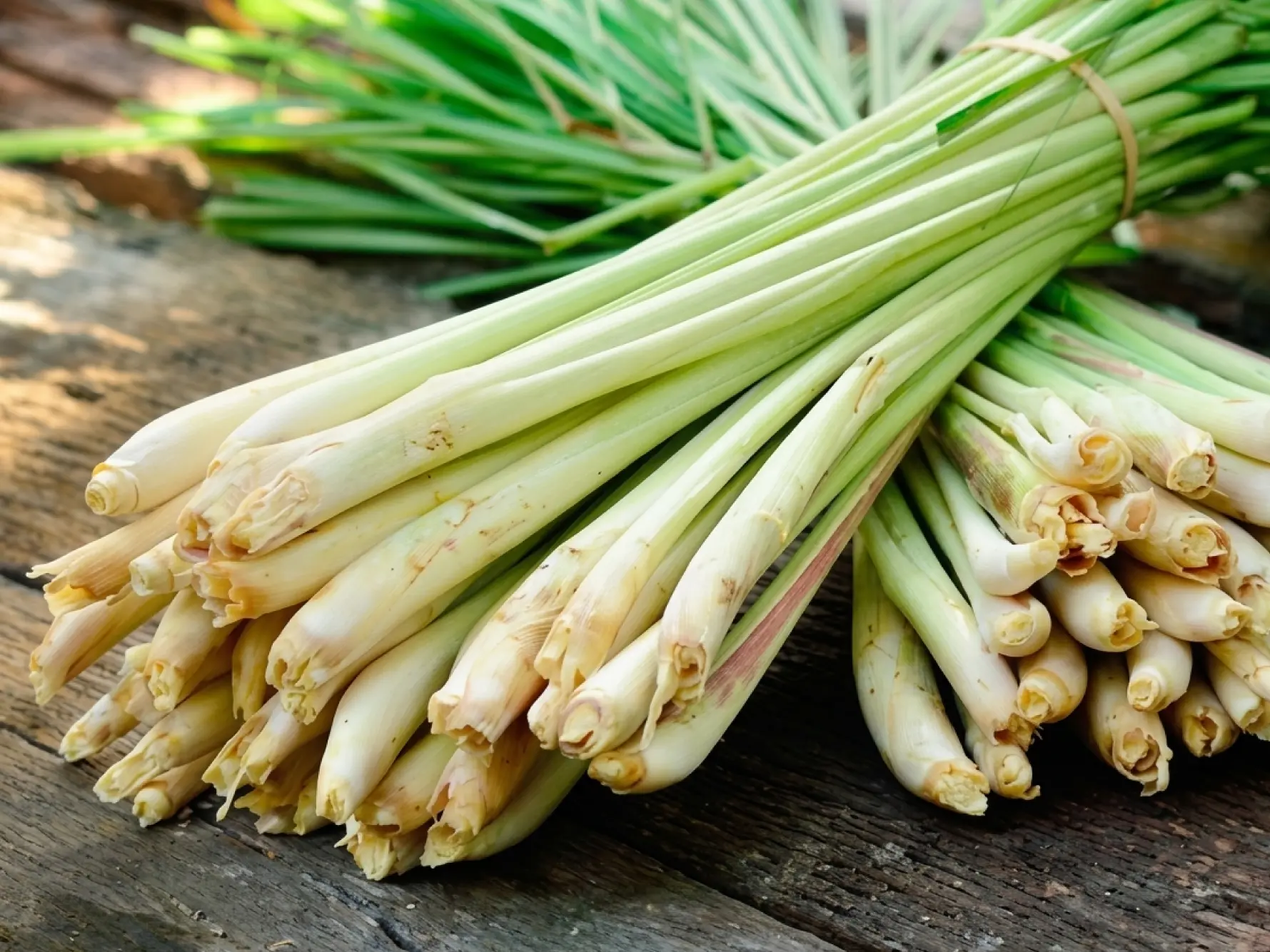
We believe ingredients should remain recognizable. Not reduced to generic categories. Not hidden behind broad descriptions. Not separated from their identity.
At TKG, every ingredient is named. Not as a marketing strategy, but as a commitment. When you dissolve a serving of Morning Ember or Still Ember, you know exactly what you are drinking because it says so on the label, and because nothing else has been added to confuse it: Ginger root, Lemongrass stalk, Lime, Perilla leaf, Clove bud, Kumquat.
We test through Quatest 3. We do not use artificial colors or preservatives. We keep formulations focused and understandable, including only ingredients that serve a clear role in the preparation. Transparency begins with naming what is there. Everything else follows from that.
Freeze-dried powder · Product of Vietnam
"The same discipline in the kitchen
and in the cup."